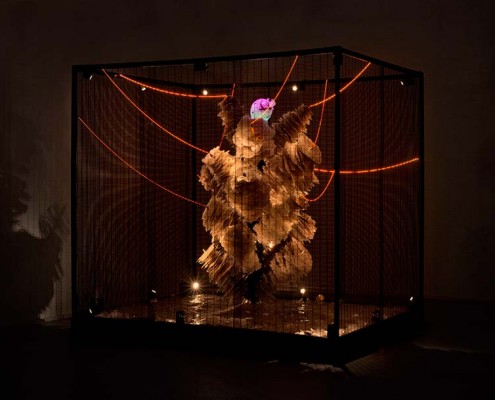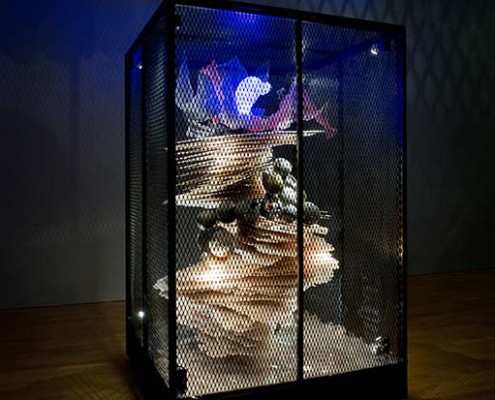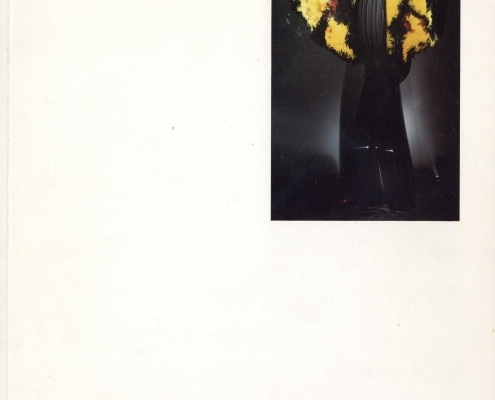
The figure of the Electric Bride stands in a steel enclosure, which separates her from our world. Electric Bride and the cage are connected by an electric current, which is made visible in the form of 9 red-hot wires. A glass head pulses with strobe light and a whispered text is heard. read more
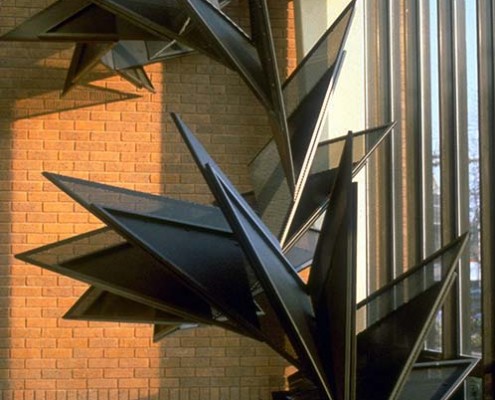
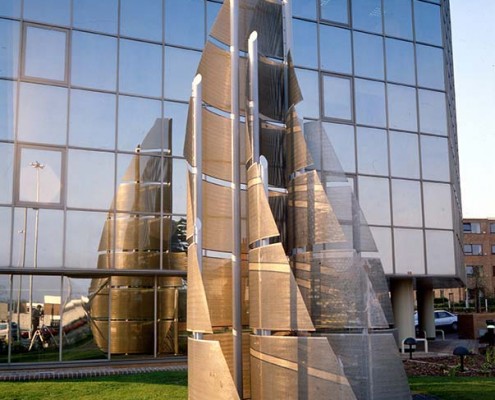
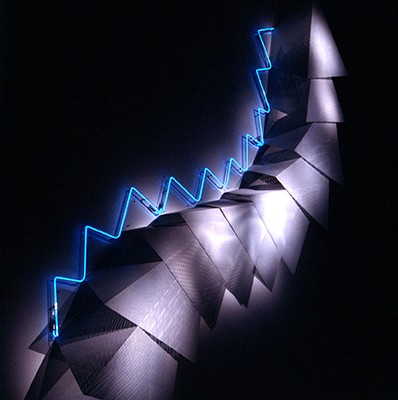
Lijn used identical geometric elements to create an organic form dependent on the spatial relationship and connections between the separate elements. read more
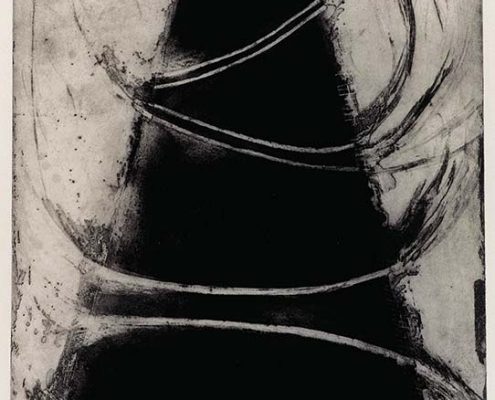
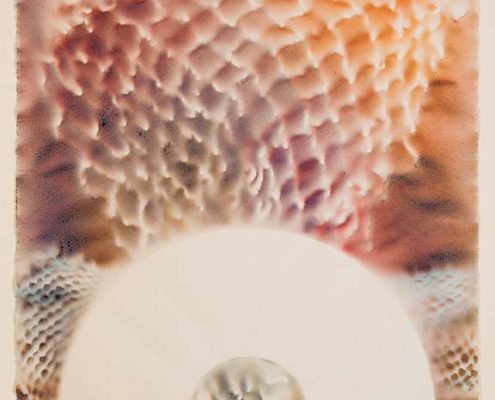
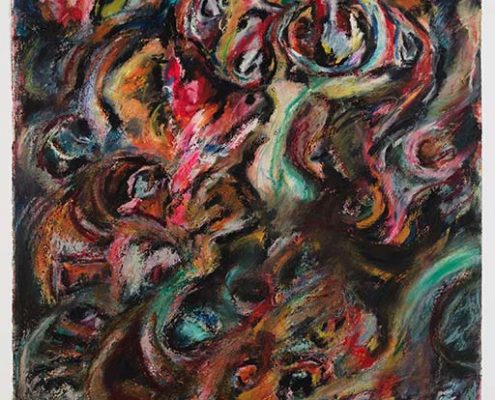
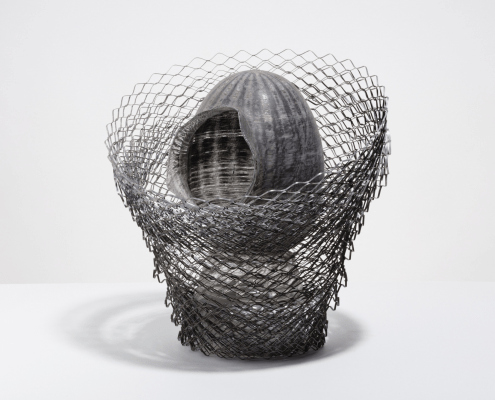
A series of works on paper all using the image of nets to configure the human head. Nets and meshes are a basic part of the iconography of Lijn's work. read more
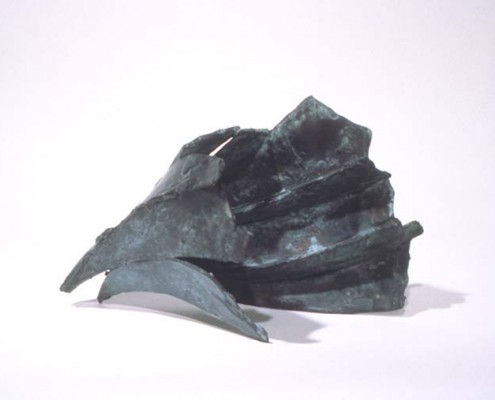
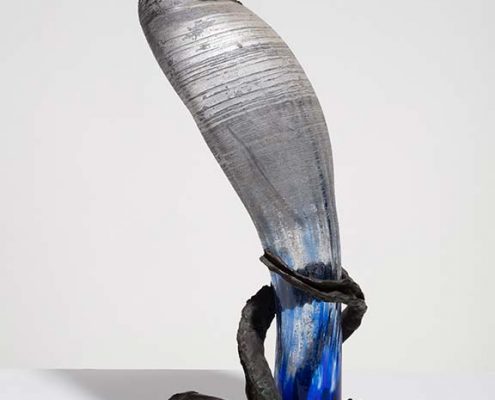
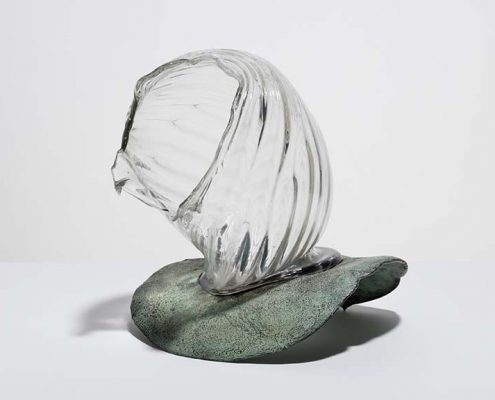
Lijn began to experiment in the factory using colour and blowing the glass into metal which wrapped itself around the molten forms, taking on the patterns of the spinning motion used when blowing glass. read more
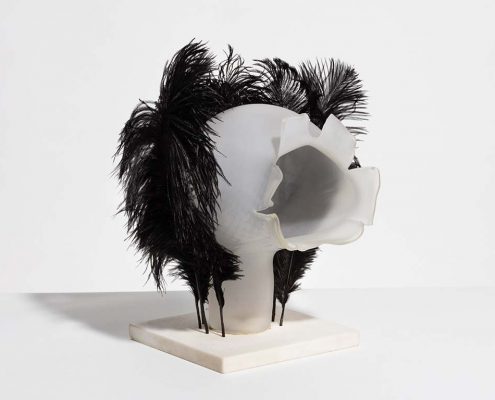
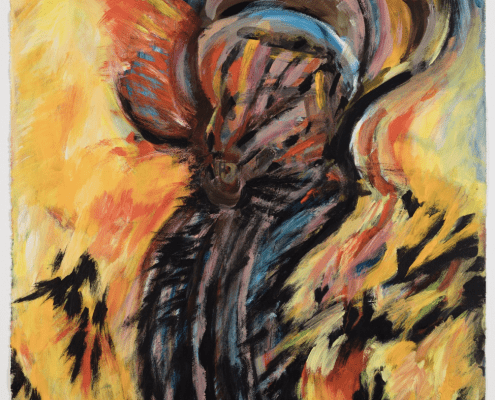
The change from solid optical glass prisms to hot blown glass marked a shift in Lijn's work from the purely metaphorical to the intensely personal. Whereas Lijn's Prism Heads transformed light, her Torn Heads expressed emotion. read more
The title of this sculpture implies birth from the head. The word conception means both birth and idea, conceiving in the womb and in the mind. read more
In 1987 Lijn began to work with hot glass in the Hergiswil Glassi on a series of torn exploding heads. The Glassi is a traditional glass factory on the shore of Lake Luzern, a huge wooden building where glass is blown by a number of craftsmen all grouped on a stage around a central furnace or pot where the glass is melte read more