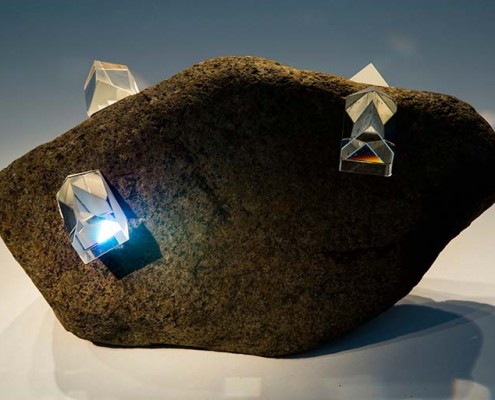
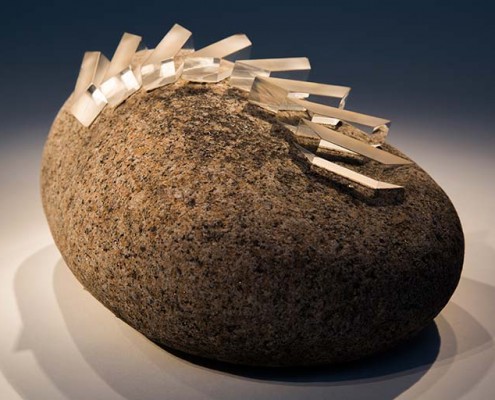
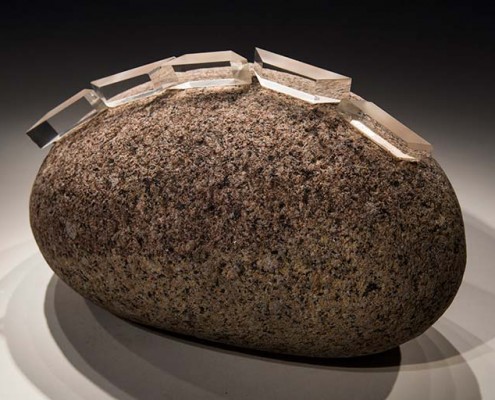
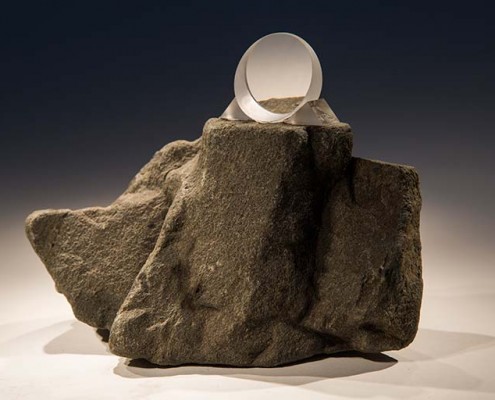
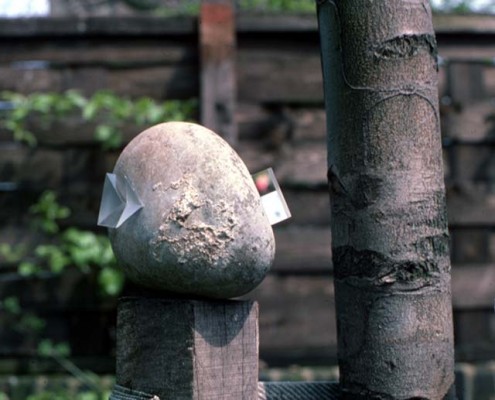
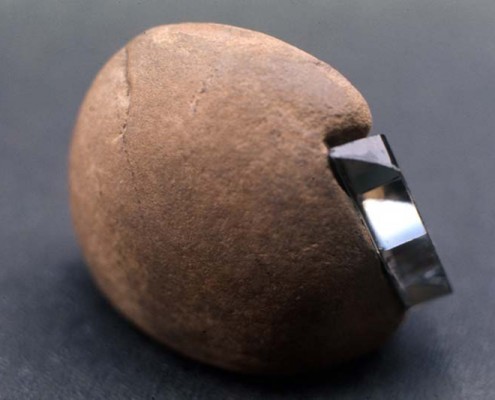
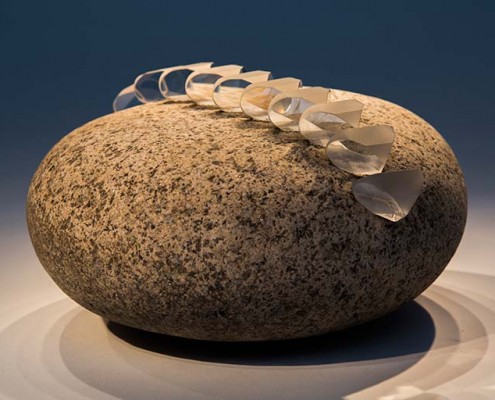
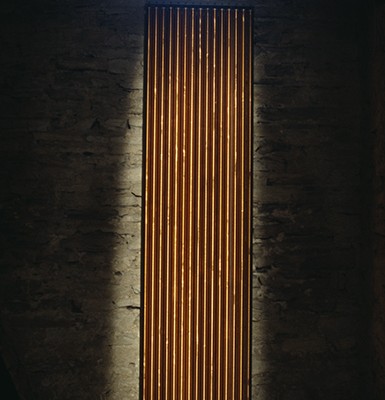
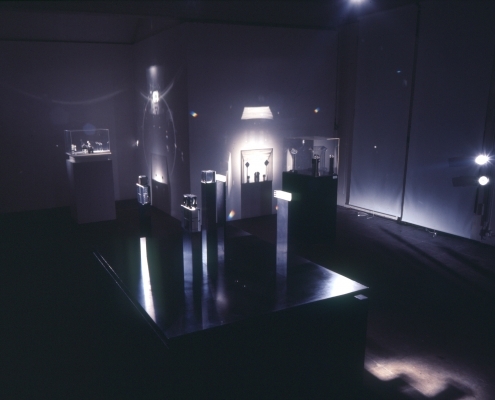
The Prism Stone series continues Lijn’s work exploring the possibilities in which extreme opposites can come together and embrace one another in a strange but fruitful synergy. read more
The Prism Stone series continues Lijn’s work exploring the possibilities in which extreme opposites can come together and embrace one another in a strange but fruitful synergy. read more
The Prism Stone series continues Lijn’s work exploring the possibilities in which extreme opposites can come together and embrace one another in a strange but fruitful synergy. read more
The Prism Stone series continues Lijn’s work exploring the possibilities in which extreme opposites can come together and embrace one another in a strange but fruitful synergy. read more
These figures are human scale and are meant to be seen in relation to men and women. When Lijn made them she realised that she was going to try to find a new human image. read more
The Prism Stone series continues Lijn’s work exploring the possibilities in which extreme opposites can come together and embrace one another in a strange but fruitful synergy. read more
The Prism Stone series continues Lijn’s work exploring the possibilities in which extreme opposites can come together and embrace one another in a strange but fruitful synergy. read more
The Prism Stone series continues Lijn's work exploring the possibilities in which extreme opposites can come together and embrace one another in a strange but fruitful synergy. read more
The catalogue was published on the occasion of the 1977 exhibition organised by Sue Grayson. It includes an interview with Liliane Lijn conducted in her studio in 1976 by Asa Benveniste. read more
The light line is an irrational code, a way the surface has of speaking. It indicates precisely all the changes made to the surface of the cylinders in what appears as a four dimensional space-time metaphor. read more