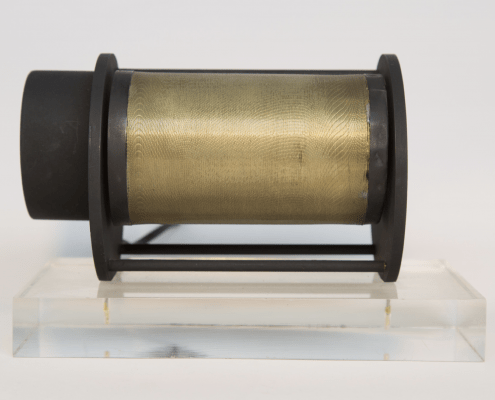
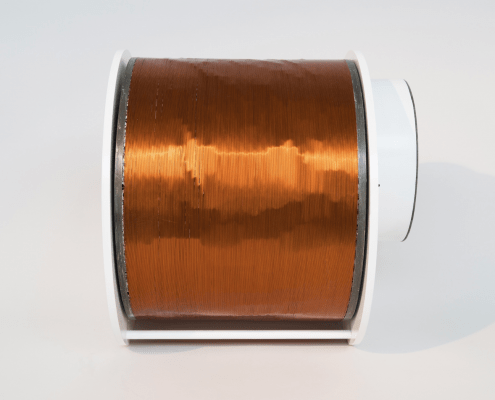
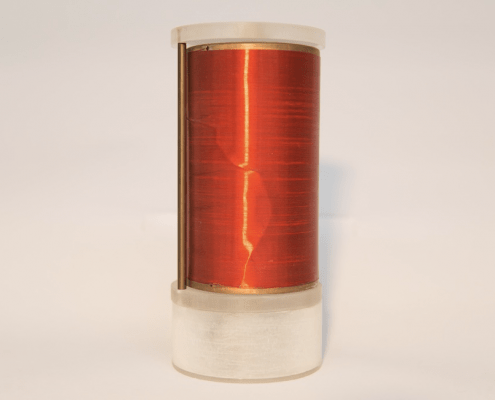
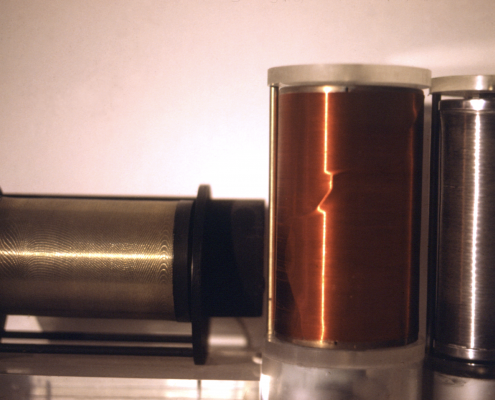
Lijn was interested in the way a reflected line of light describes the altered surface of the cylinder and gives precise information about any changes made to its surface. read more
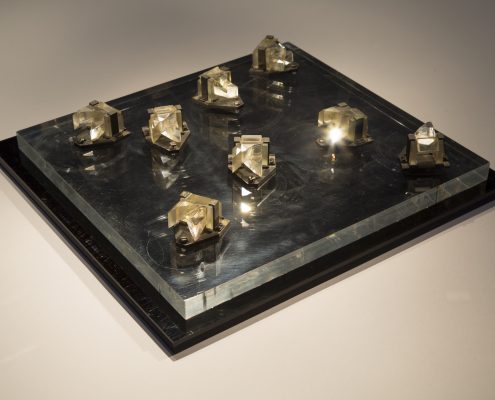
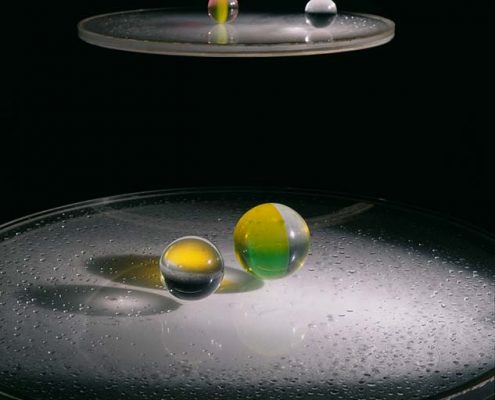
Lijn was fascinated by the use of prisms as tools for vision in both industry and war. Here were materials which were used both for destruction and creation. Not only that, they were real tools for vision, enabling people not only to see and sight from within bind boxes, but also to see within solid matter by analysing the spectrum of light given off by gases, for example in distant stars. read more
Lijn was fascinated by the use of prisms as tools for vision in both industry and war. Here were materials which were used both for destruction and creation. Not only that, they were real tools for vision, enabling people not only to see and sight from within bind boxes, but also to see within solid matter by analysing the spectrum of light given off by gases, for example in distant stars. read more
Lijn was fascinated by the use of prisms as tools for vision in both industry and war. Here were materials which were used both for destruction and creation. Not only that, they were real tools for vision, enabling people not only to see and sight from within bind boxes, but also to see within solid matter by analysing the spectrum of light given off by gases, for example in distant stars. read more
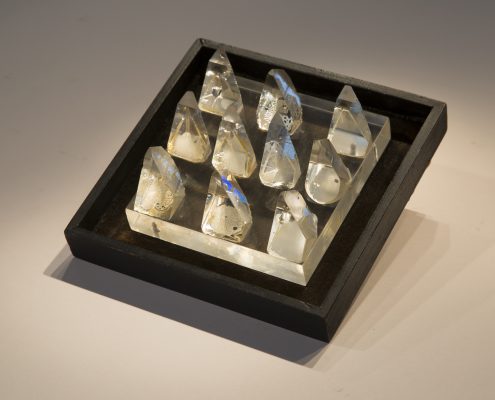
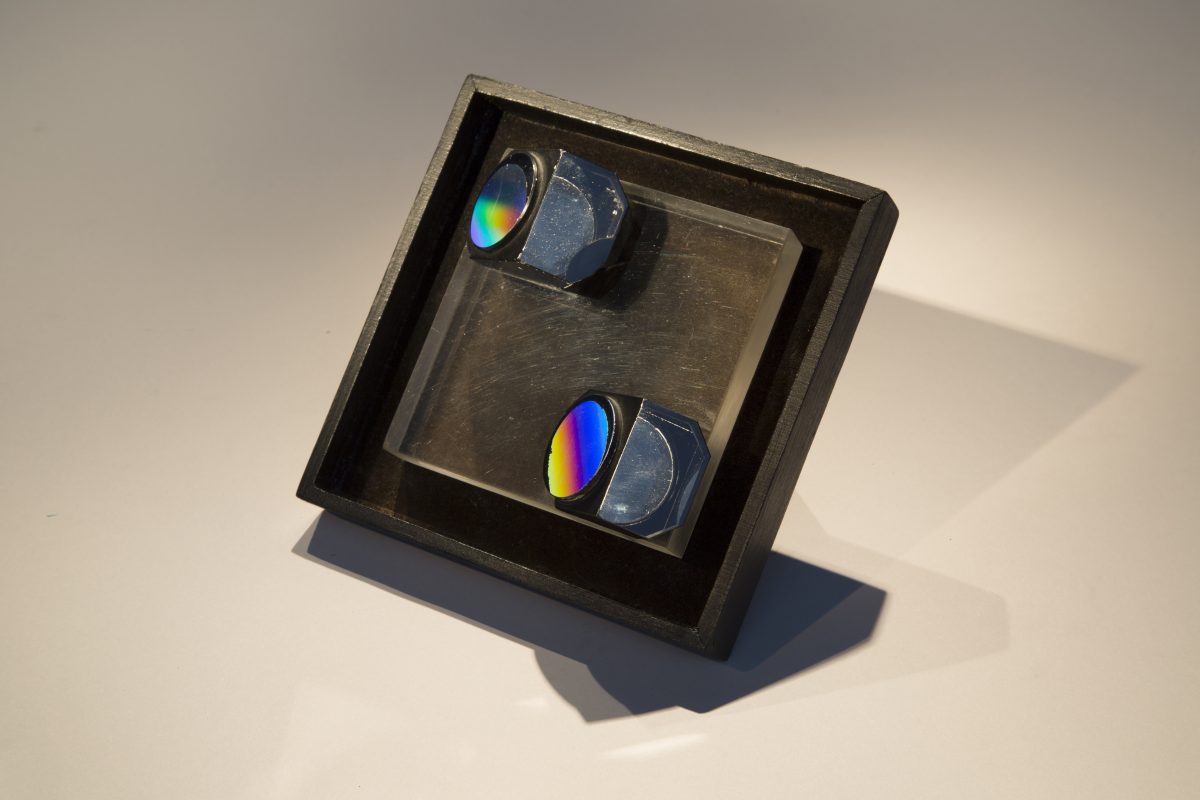
Lijn was fascinated by the use of prisms as tools for vision in both industry and war. Here were materials which were used both for destruction and creation. Not only that, they were real tools for vision, enabling people not only to see and sight from within bind boxes, but also to see within solid matter by analysing the spectrum of light given off by gases, for example in distant stars.
read more
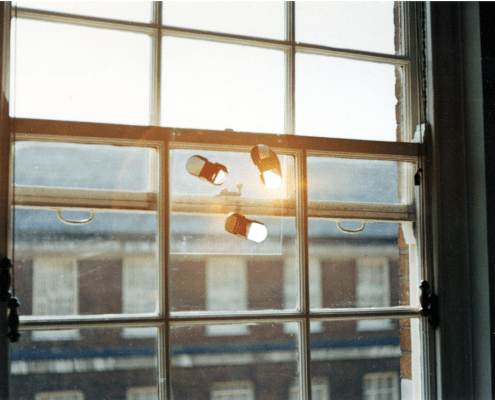
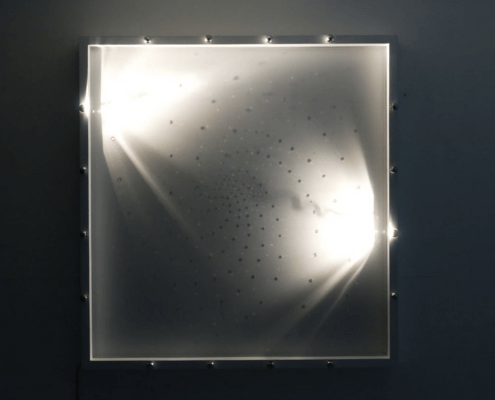
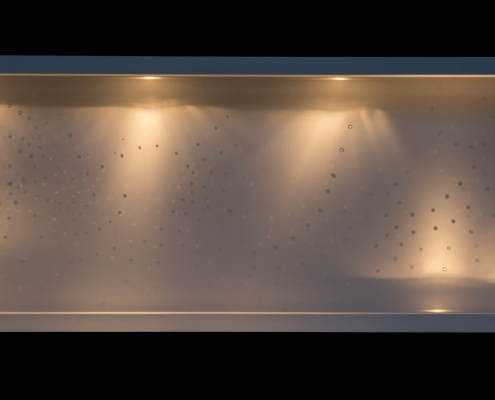
In 1965 Lijn began to fabricate framed wall sculptures using thin acrylic sheets as surfaces and incorporating within the frame numerous small spotlights that were programmed to turn on and off sequentially to change the angle of incident light illuminating the surface. read more
In 1965, Lijn began to fabricate framed wall sculptures using thin acrylic sheets as surfaces and incorporating within the frame numerous small spotlights that were programmed to turn on and off sequentially to change the angle of incident light illuminating the surface. read more
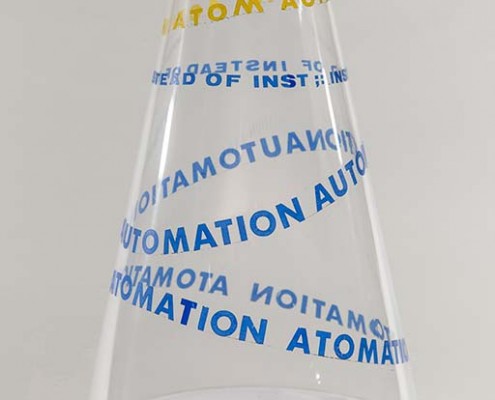
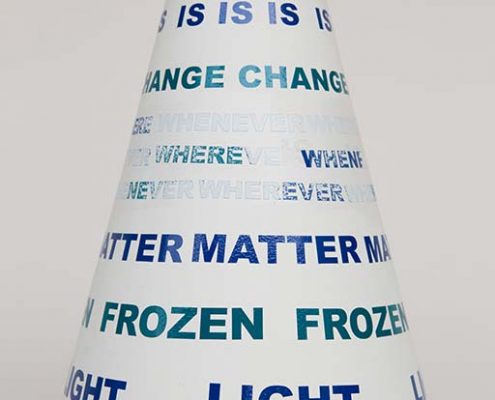
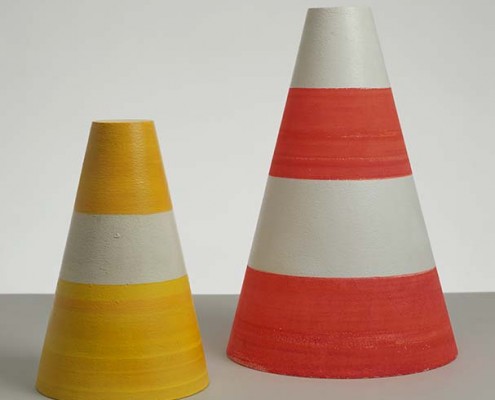
Inspired by the small striped cones lining the roads, Lijn began, in 1966, to make her Hiway Cones. The road cones are signals informing drivers of where they must drive and not drive. One has to look at these signals as a form of language. read more
Lijn was interested in the way a reflected line of light describes the altered surface of the cylinder and gives precise information about any changes made to its surface. read more